

Cherry Blossoms Bloom Every Spring
Spot the beauty

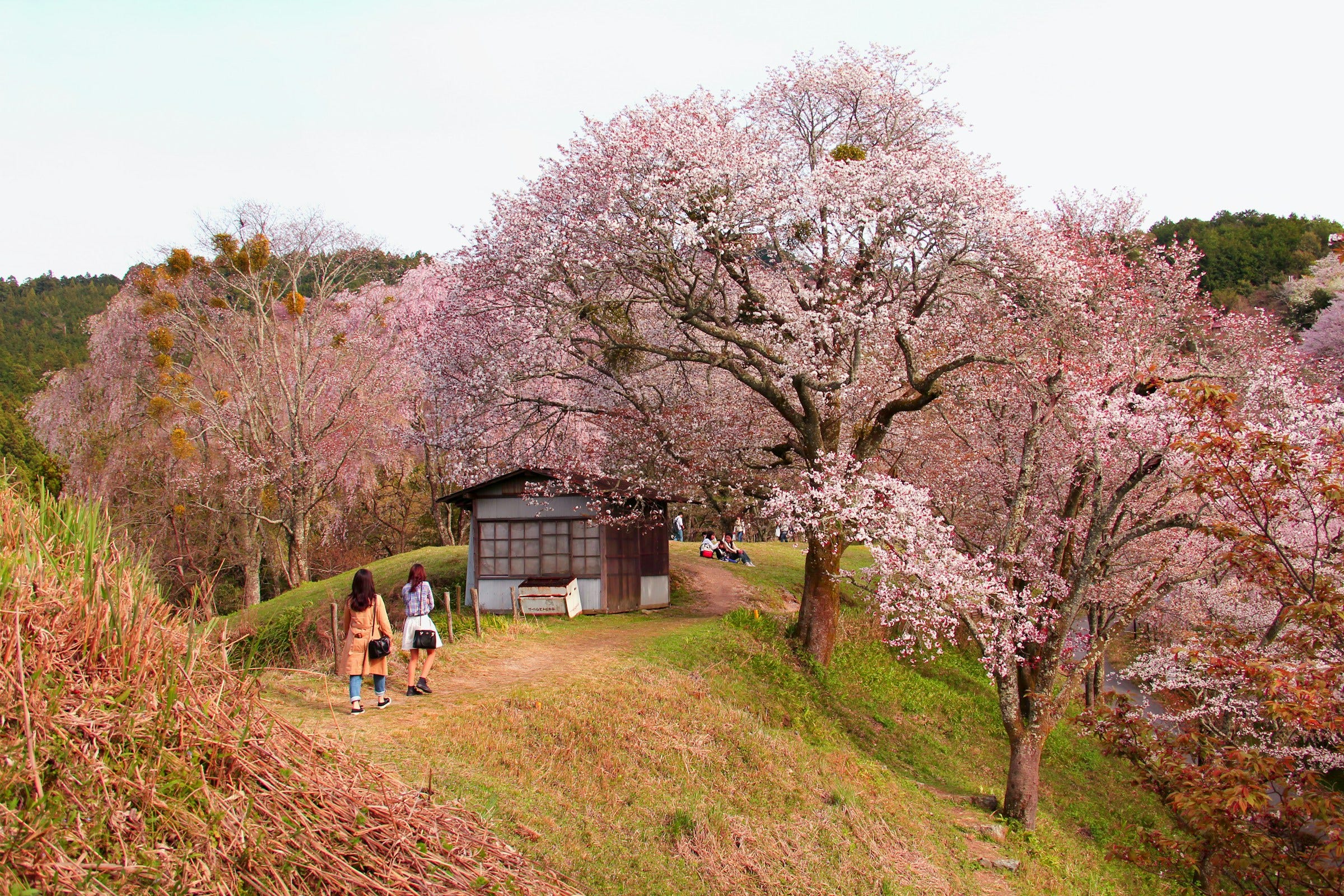
Photo by Adriana Prudencio/Unsplash
Originated in Eurasia, possibly the Himalayas, flourished in Japan, nowadays cherry blossom is a worldwide celebrated event. People appreciate the beauty of cherry trees in bloom, symbolizing the fleeting beauty of life. Once a year, whether in Tokyo’s Ueno Park, the Parisian suburb and its Parc de Sceaux, Shanghai Chenshan Botanical Garden or even in your local park, it’s cherry blossom time. The list of places with cherry blossoms seems endless.
In Japanese, 桜 (sakura) means ‘cherry blossom’. When you think of sakura, the first country that may come to mind is Japan with its ‘flower viewing’ tradition, custom, festival called hanami:
Cherry blossoms, known in Japan as sakura, are well known around the world for their radiant, delicate and transient beauty. However they are more than simply beautiful trees, as sakura have strong ties to Japan’s history, culture and identity. Originally used to divine the year’s harvest, sakura came to embody wabi-sabi philosophy and Shinto ideals of impermanence, hope and renewal and are now one of Japan’s most iconic natural symbols (JNTO).
Japan Meteorological Corporation (JMC) even has a special app Sakura Navi to track the bloom of cherry trees by location, day, and time. Locals and people from all over the globe come to admire the beauty of cherry trees in different stages of blooming. These stages are called the sakura zensen, or cherry blossom front:
[The blooming] begins in late March and follow the pink-and-white procession from the southern tip of Kyushu all the way up to Hokkaido prefecture, concluding in mid-May as the last of the flowers unfold.
During this time, you can enjoy the majectic ancient cherry tree, Daigozakura, in a rural district in the city of Maniwa. Alternatively, you can visit the popular cascade of sakura along the Meguro River in the sophisticated Nakameguro neighbourhood of the capital. Another beautiful spot is located in Tokyo’s trendy Kichijoji neighbourhood. While it may be best known for The Ghibli Museum, Inokashira Park also offers breathtaking cherry blossom experience.
The Three Great Cherry Trees of Japan
There are The Three Great Cherry Trees of Japan. They are ancient trees, highly esteemed for their historical and cultural importance:
Miharu Takizakura, Fukushima prefecture
Miharu Takizakura is located in Miharu town in Fukushima prefecture, and the name of the town “three springs” was named after the three spring flowers, plum, peach, and cherry blossoms burst into bloom at the same time.
Yamataka Jindai Zakura, Yamanashi prefecture
With a name that loosely translates to 'as ancient as the age of mythology,' the Jindai Zakura stands tall at roughly ten metres and boasts a trunk circumference of around 12 metres.
Neodani Usuzumizakura, Gifu prefecture
Usuzimi means light black ink that’s used for calligraphy and the name was derived from the process of the petals changing their color from soft pink to white, then to gray-ish pink. This is one of the rare cherry blossom trees in that progression of multiple colors petals can be observed in one tree.
Pink aesthetics
The hues of this vibrant colour range from delicate and warm tones of light pink to the bold ‘shocking’ pink – intense magenta. I invite you to explore a wonderful book called Traditional Colors of Japan (2021), which is an inspiring colour dictionary compiled by expert colorist Teruko Sakurai. My favourite colour hex code for a pink pallette is called somei yoshino (#F8D2E3), named after the most numerous cherry tree type in Japan.
Reading
Old books, modern novels, as well as an infinite number of manga and anime are sakura themed. I would definitely pick something ancient for reading, such as The Pillow Book (1002) by Sei Shōnagon. Her work is of a significant historical and cultural value. Surprisingly or not, it reads smoothly in 2024. The essence of cherry blossom can be found in haiku. This very short Japanese form of poetry is perfect for capturing the appreciation of seasonal change through cherry blossom.
***
hana no kage / aka no tanin wa / nakari keri
Under the cherry blossoms
strangers are not
really strangers
By Kobayashi Issa
(Translation by Zoria P. K.)
From Tokyo Weekender ࿔